

4 Common Air Conditioner Smells & How to Fix Them
Is your air conditioner releasing a bad or weird smell into your home? What does it mean, and can you fix it yourself? Below we walk through 4 common smells that might be coming from your air conditioner, what it means, and whether it is cause for concern. As with all HVAC questions or concerns, always call an HVAC technician if you are unsure!
1. Rotten Eggs
If you smell sulfur or rotten eggs, that almost always means there is a gas leak in your house. Natural gas is odorless, but gas companies add the smell so you know when there is a leak. The gas reduces oxygen levels in your body which can be fatal. It can also catch fire and explode. If you suspect a gas leak, turn off your gas supply immediately and call your local fire department.
2. Burning
If you just turned on your air conditioner for the first time in several months and it smells like something is burning, this could be dust burning. Wait a few minutes to see if the smell dissipates. If it does not go away, the burning smell could be a mechanical problem and a fire hazard. Switch off the system immediately and call an HVAC technician for an emergency repair.
3. Gunpowder
The smell of gunpowder is associated with electrical odors. This odor is very distinct and should never be ignored. It is likely caused by a fried fan motor or circuit board. No matter the culprit, you will need to get your AC repaired before using it again. Switch off the system and call an HVAC technician for a repair before turning on the unit again.
4. Mold or mildew
Smelling mold or mildew when your air conditioner switches on is quite common. When your air conditioner cools the air, condensation builds up and needs somewhere to go. If your condensate drain line is clogged, this moisture has nowhere to go, allowing mold and mildew to grow in the unit and in your ductwork. Shut off your unit and check the drain line and indoor AC unit for mold and mildew. You can unclog a drain line and clean an AC unit yourself, but if you have never done this before, we recommend calling a professional.
There are a variety of less-common odors that can come from your AC unit, including chemical smells, exhaust, or something that just smells terrible. Always turn off your unit if you think something is wrong and call for an AC unit inspection and repair. Allowing your unit to continue to run could be damaging the unit itself and be hazardous to your health.
Need an air conditioner inspection, repair, or replacement? Grand Home Services in Aurora, Colorado provides these services throughout the Denver Metro Area. Contact us online or call us today!
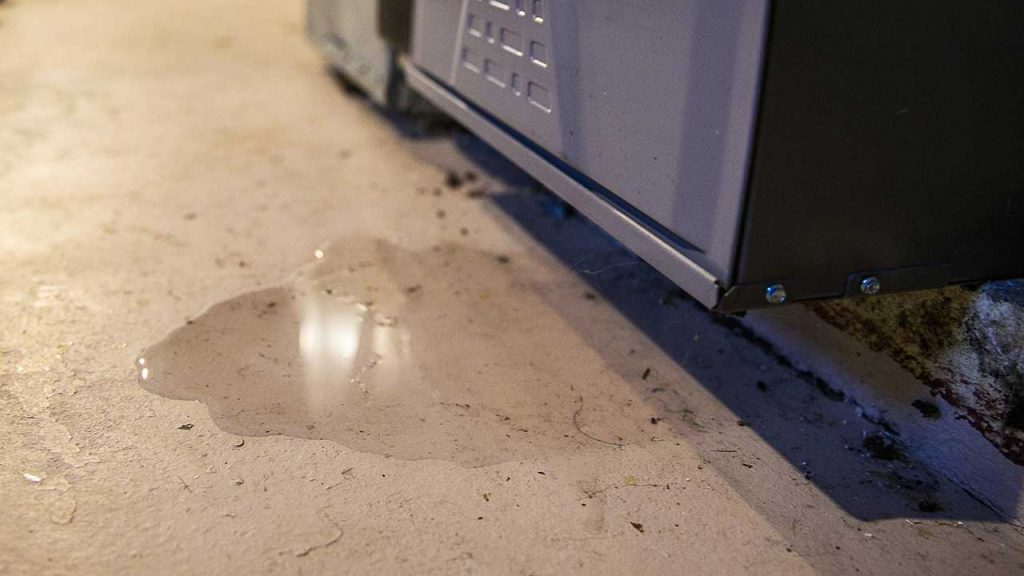
Why is my air conditioner leaking water?
Why is your air conditioner leaking water, and what are you supposed to do? Water leaking from your AC unit can cause a lot of damage, so it’s important you address the issue and fix it as soon as possible.
When your air conditioner cools warm air, condensation builds on the evaporator coils and drips into a drip pan. This drip pan leads to a condensate drain line that drains the water outside of your home, so you should not have any water leaking inside.
As with any home appliance, sometimes something goes wrong. For air conditioners, it is not uncommon for water to be leaking from the unit. Below are 3 common culprits that cause your air conditioner to leak water inside the home and what you should do to resolve the problem.
Your filter is dirty
If your air filter is very dirty, your air conditioner will have trouble pulling air through the filter and into the unit which means less air is moving over the evaporator coils. As a result, the coils become too cold and freeze. As these frozen coils defrost, the ice melts and an unusually large amount of water drips into the pan causing it to overflow and leak into your home. Make sure to replace your filter as often as the AC unit’s manufacturer recommends.
Your unit is low on refrigerant
When your air conditioner turns on, the refrigerant starts running through the evaporator coils making them very cold. If the refrigerant is low, there is less heat being absorbed and the coils get too cold and freeze. The refrigerant runs through a closed system, so if your refrigerant is low, this means there is a leak.
This is not something you can repair yourself. You should turn off the AC unit and call for a repair immediately. If you see that the coils are frozen, keep an eye out for leaking water while it defrosts.
Your condensate drain line is clogged
As your air conditioner creates condensation during the cooling process, it drains through the condensate drain line. If this drain line gets clogged, the water has nowhere to go and will leak from the unit inside your home. A clogged drain line can be caused by a dirty filter, debris in the drain line or lack of maintenance to the unit.
You can unclog the drain line yourself by turning off the unit and using a thin wire brush to break up the clog. You can also use your wet/dry vacuum to suck out any debris or flush the drain line with distilled vinegar. If you can’t get the drain line unclogged yourself, always call an HVAC professional!
Denver Air Conditioner leaking water?
Is your Denver air conditioner leaking water? Grand Home Services has seen this problem before and is here to help you solve the problem. We are located in Aurora and provide air conditioner cleaning, repair and replacement services throughout the Denver Metro Area. Call us at 720-365-1187 or contact us online to schedule an AC repair in the Denver Metro Area today!

My Air Conditioner is Running but Not Cooling
Is your air conditioner running but not lowering the temperature in your home? If so, below is a list of possible culprits that you can check yourself before calling an HVAC technician. Some of these you can fix yourself, others you will need to consult a professional.
Thermostat
It might seem too simple, but always start with checking the thermostat. An adjustment could have been made without you knowing and the fix is as quick as a setting change.
Filter
A dirty filter can wreak havoc on an air conditioner. Not only will it obstruct airflow, but it will inhibit the unit from doing its only job and not clean the air before it runs through the unit. This will make the rest of the components dirty and could cause your coils to freeze. If your filter is dirty, replace it or clean it and test your air conditioner.
Evaporator coil
The evaporator coil in your AC unit absorbs the heat and any humidity evaporates from these coils. Sometimes this humidity accumulates and freezes on the coils. As mentioned above, frozen coils could be caused by a dirty filter, but that is not always the case. If your AC is running but not cooling the air, turn off the unit and check to see if the coils are frozen. If so, you will need to call an HVAC technician for a repair.
Condenser
Central air conditioners have an outdoor unit called a condenser. The condenser contains coils with closely spaced fins, making it easy for dirt and debris to build up and clog the coils. This will cause your unit to work much harder than usual to cool your home, and—if it’s bad enough—inhibit the unit from creating cold air and possibly shutdown. You can gently clean the condenser yourself with a vacuum or hose. If your air conditioner is still struggling to create cool air, call an HVAC professional.
Leaking Refrigerant
In order for the refrigerant in your air conditioner to absorb heat and cool the air, it transitions from a low-pressure gas to a high-pressure liquid and back to a low-pressure gas. If there is a refrigerant leak or the refrigerant is too low, this causes a drop in pressure allowing the refrigerant to expand more than usual and become too cold, resulting in a freeze-up and your unit will not be able to create cool air. If there is a refrigerant leak, an HVAC expert can help you fix this but may recommend investing in a new air conditioner.
Is your air conditioner running but not cooling? Grand Home Services in Aurora is here to help. We provide air conditioner maintenance, cleaning, repair, and replacement services throughout the Denver Metro Area. Call us or contact us online today!
Is an Annual AC Tune-Up Necessary?
You may hear your HVAC technician mention an air conditioner tune-up and wonder if it is even necessary. Air conditioners run just fine without annual tune-ups, and your unit(s) thus far have been just fine without them. So, is an AC tune-up really necessary?
The short answer is no—AC tune-ups are not absolutely necessary, but they are encouraged. No, your air conditioner will not burst into flames if you do not get an annual tune-up, but if you have the means to get a tune-up annually or even every few years, we strongly recommend doing so. There’s a reason this service exists in the first place, and all reliable HVAC companies offer the service.
Here are the most important reasons annual AC tune-ups are encouraged and even exist.
Saves You Money
A tune-up ensures your unit is clean and free of necessary repairs. This ensures it runs at peak efficiency, saving you money on your monthly cooling bill. Regular tune-ups also prolong the lifespan of your air conditioner. A poorly maintained unit that only gets repairs when necessary will certainly not live as long as a unit that gets regular tune-ups.
Preventative Care
Just like going to the dentist for a cleaning, AC tune-ups are a form of preventative care. During a tune-up, HVAC technicians clean the unit, check for necessary repairs, and get your air conditioner in the best condition possible before it runs for months on end. Having a technician look at your unit before it starts running consistently will prevent a broken part from causing more problems and repairs further down the road. A tune-up could even prevent a repair altogether.
Safeguarding Your Warranty
Several popular AC manufacturers—including Lennox and Trane—make it clear you need regular maintenance by an HVAC professional to retain the warranty. Without this regular maintenance, the manufacturer has the right to deny you a part replacement, forcing you to pay for the part and service out of pocket.
No, AC tune-ups are not absolutely necessary, but they are sure to save you money in the long run. If you are in the Denver Metro Area, Grand Home Services in Aurora would be happy to provide you with an air conditioner tune-up. Click here to learn more about our tune-up service, and call us or contact us online to get started!
AC Replacement and Installation Cost in Denver
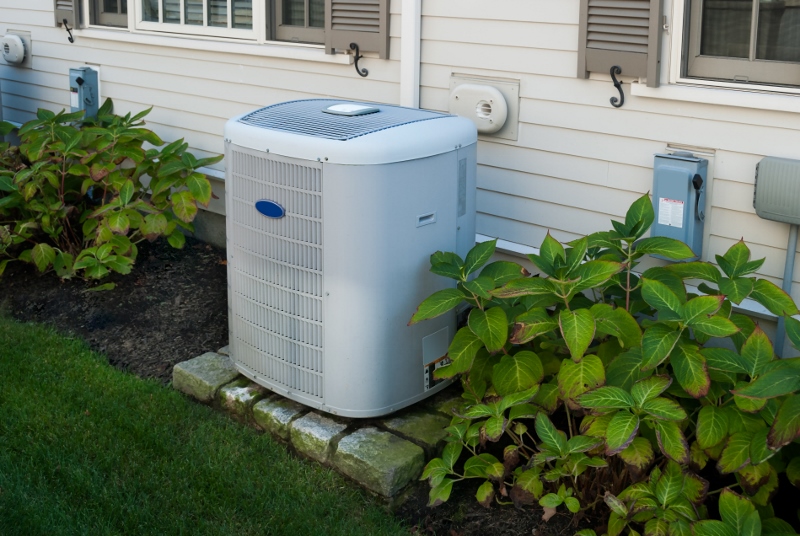
In need of a new central air conditioner? If you are in the Denver Metro Area, here is what you can expect to pay for a brand-new AC unit, including the cost of installation.
Average Cost of a New AC Unit in Denver
In Denver, the average central AC replacement cost–including the cost of the unit and installation–is around $7,000, but ranges from $5,000 to $10,000. Why such a large range? The price of a new AC unit varies by city and state, but the biggest factors that affect the cost are the type, brand, output, and efficiency. For a high-efficiency AC unit in a larger home, a new air conditioner can run you over $10,000, whereas an average-efficiency unit in a small home can cost less than $3,000.
Most HVAC contractors charge similar rates for AC installation services, but it is always a good idea to get several quotes before you get a new unit. Many contractors will give you a free quote over the phone if you supply them with your home’s square footage, existing air conditioning infrastructure and efficiency wants/needs.
AC Unit Size: What Do You Need?
You need an air conditioner with the appropriate air output–measured in British Thermal Units (BTUs)–for your square footage and climate. The more BTUs, the more air your AC unit can cool. Larger multi-level homes in cold climates need more BTUs than smaller ranch-style homes located in warm climates.
The BTU output you need will determine your AC unit size which is measured in tons. 1 ton equates to cooling 12,000 BTUs (British thermal units) per hour. For non-commercial units, AC units typically range from 1 to 5 tons.
You can use the chart below to roughly determine what size unit you need based on your square footage in Denver’s climate. Keep in mind, this is a universal estimate. A professional technician will choose a particular size based on your home’s sun exposure, insulation, and even ceiling height.
 For a 1.5-ton AC unit, you can expect to pay around $5,000. For a 5-ton unit, you can expect to pay closer to $10,000.
New Central AC Unit in Denver
If you need a new central air conditioning unit in the Denver area, call Grand Home Services today for a quote. We are in Aurora and provide AC replacement, installation, and repair services throughout the Denver Metro Area. Call us or contact us online today!
AC Compressor Replacement Cost in Denver
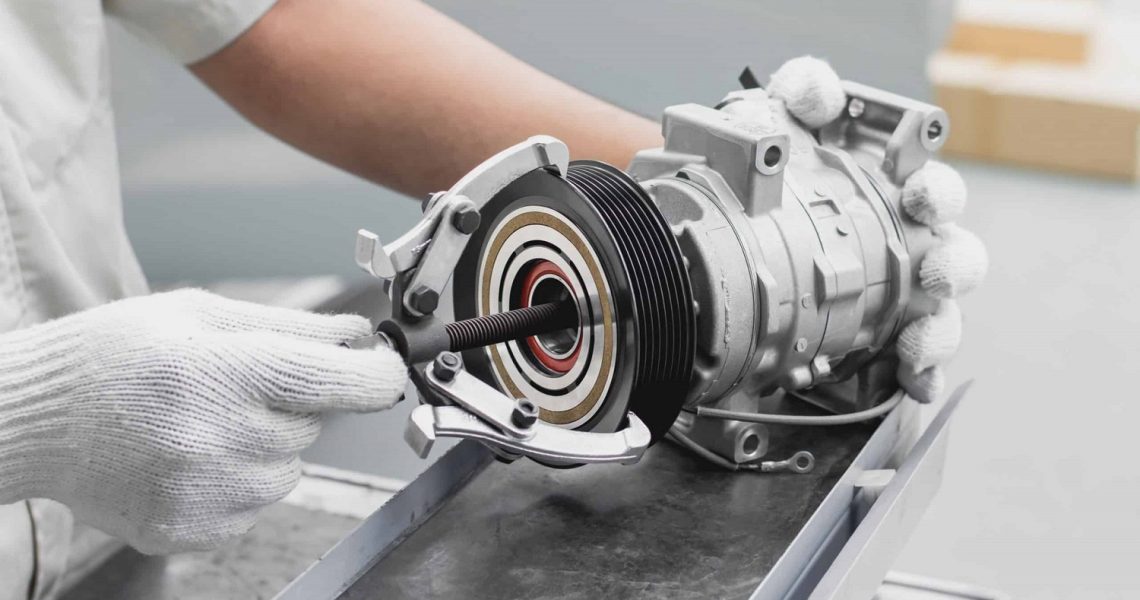
When your air conditioner needs a new part, it’s usually an easy decision: get the part replaced. Most repairs will cost less than $500, and while that’s a lot of money, it is well worth keeping your AC unit functional. That simple repair decision, however, is not the case with an AC compressor.
The AC compressor is the most expensive part in an air conditioner. Including labor, the average cost to replace an AC compressor is $2,000 to $4,000. The compressor is a significant portion of the cost of a brand-new system. When an AC compressor needs to be replaced, the real question is whether or not to replace the entire unit. Below we break down the factors that will help you decide.
Is your unit under warranty?
If your AC unit is under warranty, you shouldn’t have to pay for a compressor replacement. Many manufacturers offer a 5 or 10-year part warranty and a 1-year labor warranty, meaning all parts of the unit are covered. If you do not have a labor warranty, you have to pay for the installation, but this is not a simple part to install. When a compressor is under warranty, they only cover the compressor itself. Other services or parts are not covered, including an acid wash, a refrigerant line flush, and the refrigerant itself. You can still expect to pay a reputable contractor around $1,500 for the labor and other parts.
Is your unit more than 10 years old?
If your air conditioner is more than 10 years old, usually the best route to take is a completely new unit. When you replace an AC compressor in an older unit, you are still going to need to replace the unit in a few years. You will end up saving money in the long run with a completely new system.
Is your unit not under warranty and less than 10 years old?
This is the gray area where a licensed technician should help you make your decision. If your unit is not under warranty but your unit is not old, you will need to evaluate the condition and performance of the air conditioner. An expensive repair may or may not be worth it. Are your cooling bills increasing? Is the unit requiring more frequent repairs? Is the unit cooling your home as desired?
AC Compressor Replacement in Denver
If you need a new AC compressor in the Denver area or you would like some advice, call Grand Home Services today. We are in Aurora and provide AC replacement, installation, and repair services throughout the Denver Metro Area. Call us or contact us online today!
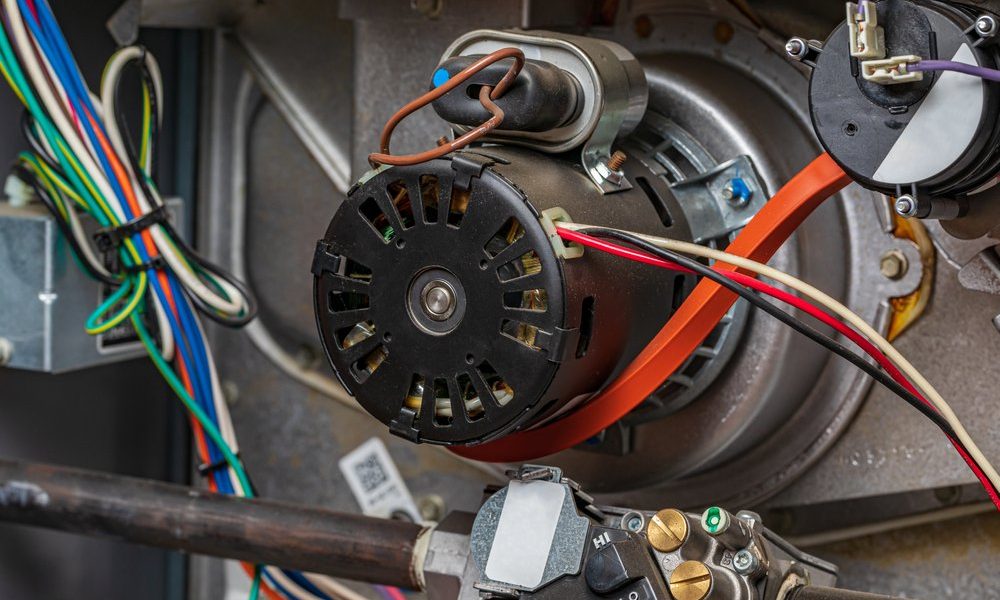
Cost to Replace a Furnace Blower Motor in Denver
Replacing a failed blower motor is a major furnace repair and is one of the more expensive repairs homeowners face as their furnace gets older. Below we break down the average cost to replace a furnace blower motor for a Denver homeowner and why the price varies furnace-to-furnace, company-to-company.
Cost to Replace Blower Motor in Denver
The cost to replace your blower motor depends on whether your blower motor is variable-speed or single-speed, the brand of your furnace, and the repair company you hire to handle the repair for you. Unless you have a warranty for your unit, you can expect to pay anywhere from $1,000 to as much as $1,600 for a furnace blower motor replacement.
If a company tries to charge you less, they aren’t giving you all the benefits you get with the top companies in town. When you replace the blower motor in your furnace, the HVAC technician should replace the capacitor as well. A company that quotes $750 may not be including the additional $300 – $400 for the capacitor that needs to be replaced as well. Always make sure you get the complete quote upfront so you don’t get hit with an unexpected charge. As always, we recommend Denver homeowners work with an established HVAC company to ensure an honest and reliable repair.
National Replacement Averages
Larger websites like HomeAdvisor will give low quotes to pique your interest and give some business to the companies that use their site. These prices are very generic, typically don’t include every single charge that would come with a repair and are not based on your specific city. From the quality of the technician to the quality of service, paying more than these low national averages is for good reason. Long story short, you will not find a successful and reputable HVAC company charge these low prices.
Just Hire the Good Guys
When you find yourself getting quotes from several companies for a blower motor replacement, always ask if the estimate includes a capacitor replacement. If a company is unable to share a quote over the phone, not to worry, they may need to see the furnace in-person. Just make sure to get the full quote before they go to work.
Furnace Blower Motor Replacement in Denver
In need of a furnace blower motor replacement in the Denver Metro Area? Grand Home Services would be happy to help. Call us or contact us online if you need more information or would like to get started!
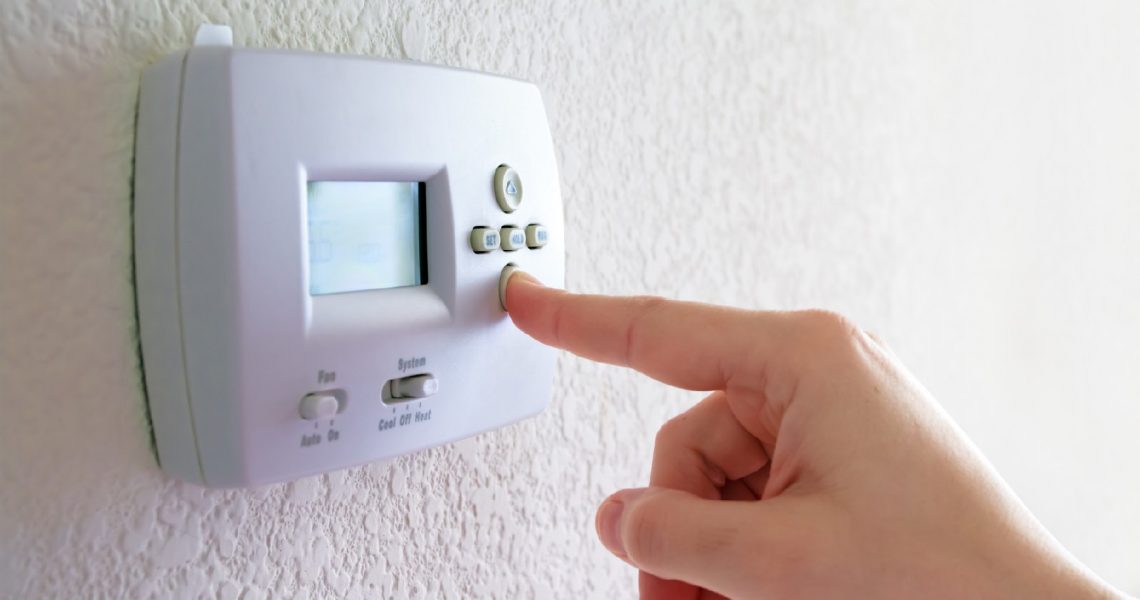
4 Things to Check When Your Furnace Won’t Turn On
It’s cold outside and your furnace won’t turn on… now what? It’s easy to panic when your furnace isn’t turning on and the temperature in your home starts to drop. Before you run and call for an emergency furnace repair, there are a few things you can check yourself to rule out the possibility of a quick fix.
Check your Thermostat Settings
Your thermostat could have lost power, be on a schedule, been reset from a power outage, or even accidently bumped. Always start with checking the thermostat to make sure your furnace is simply being told to not turn on in the first place.
Check your Circuit Breaker
If there is nothing wrong with the thermostat, make sure your furnace is getting power. A tripped circuit breaker can be an easy fix if your furnace won’t turn on. Check the breaker in your electrical panel that is associated with your furnace. If it’s in-between on and off, that means the breaker was tripped. Flip it to the off position and then flip it to the on position. If it continues to trip, you’ll need to replace the circuit breaker.
Check the Furnace Filter
If all things thermostat and electricity look good, it’s time to look at the furnace itself. A very common reason for a furnace to malfunction, have low airflow or not turn on at all is a dirty filter. A dirty filter inhibits proper airflow through the furnace, preventing the furnace from producing enough warm air to heat your home to your set temperature. Sometimes the filter is so dirty the furnace won’t even start up.
Check the Pilot Light
If you have a gas furnace, always check the pilot light. If the gas supply to your furnace has halted, the pilot light will go out and your furnace will not turn on. If the pilot light is discolored, we recommend calling an HVAC specialist immediately.
When in doubt, it’s always a good idea to call a professional. Not having a furnace during cold temperatures in Denver is uncomfortable and can become unsafe. Whether you have questions about troubleshooting your furnace or need a repair, Grand Home Services is here to help. Contact us online or call us to get help now anywhere in the Denver Metro Area.