
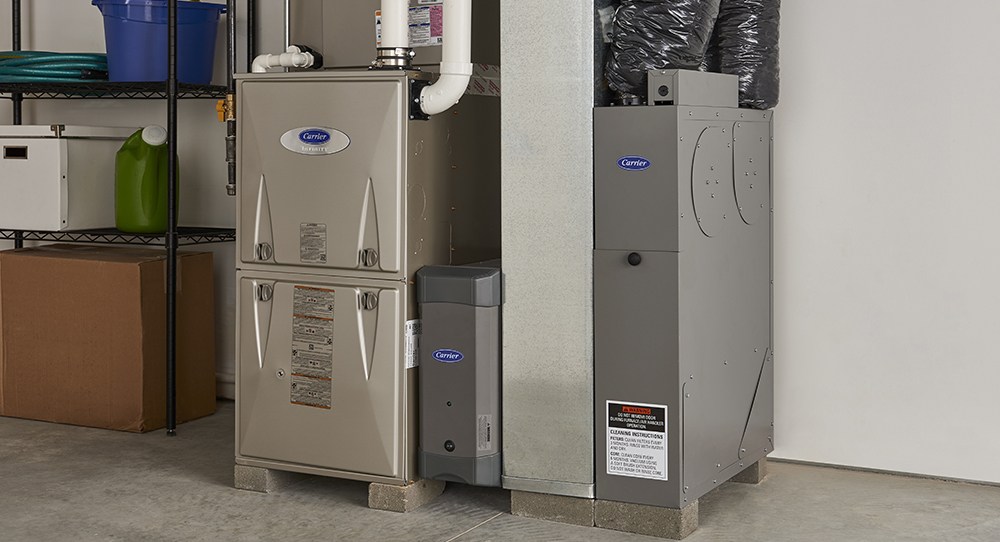
Gas vs Electric Furnace: 4 Differences
Gas and electric furnaces are both forced-air heating systems, which means they heat air directly and distribute that air through a series of ducts throughout your home. Both types of furnaces are popular throughout the Denver Metro Area, but there are a few key differences.
Below we break down the major differences between gas and electric furnaces. If you have questions or need some guidance in choosing a furnace, consult a professional! Everyone’s home and needs are a little different, and getting a custom recommendation is your best bet.
The Cost
Gas furnaces typically cost more to buy and install than electric furnaces, but electricity typically costs more than natural gas, so owners of gas furnaces will recoup their money over time. Even though they tend to last a few years less than electric furnaces, gas furnaces are less expensive over their lifespan. The only exception: a small home in a warm climate.
A small home in a warm climate will require far less heat than a large home in a colder climate like Denver, so the initial cost of a gas furnace may not be recouped over time. But, if you own a larger home in a colder climate, the better option almost always is a gas furnace.
Energy Efficiency
Gas furnaces use less energy and heat homes faster than electric furnaces. Electric furnaces take more time to heat up, so in climates like Denver with below freezing temperatures, electric heaters will take much longer to heat your home.
The Maintenance
All furnaces require regular cleaning and maintenance to perform efficiently. Gas furnaces tend to require more maintenance because of the burners, gas valves and igniter, but electric furnaces are prone to more wear and tear if they are warming a home in a colder climate.
Safety
Gas furnaces burn natural gas to heat your home which produces a small amount of carbon monoxide that is safely vented from your home. If your heat exchanger is cracked or your furnace is burning too much gas, carbon monoxide can leak into your home which can be very harmful. Therefore, electric furnaces tend to be the safer option, but in general, all furnaces are very safe if they are regularly cleaned and maintained.
As mentioned above, the cost, efficiency and maintenance of gas and electric furnaces heavily depends on the climate. Gas furnaces tend to be the better choice for homes in colder climates like Denver, but if your home is quite small or is in a warmer climate, the choice is not so simple.
In need of a new furnace in the Denver Metro Area? Grand Home Services is located in Aurora, Colorado and provides HVAC services throughout Denver. Call or contact us online today!
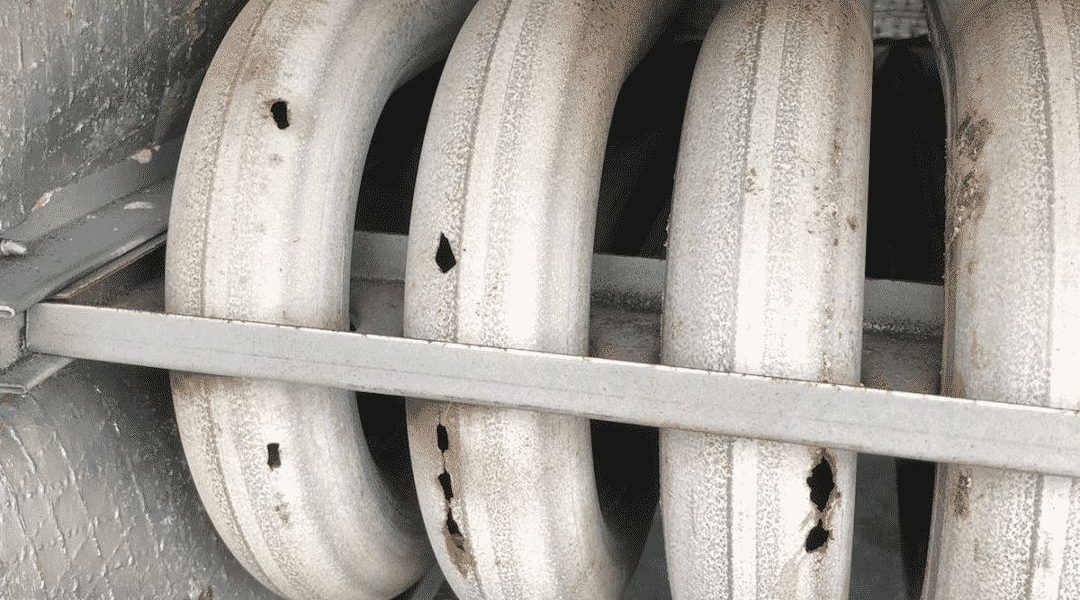
Cracked Heat Exchanger Scam
Your furnace’s heat exchanger is not easily accessible, it cannot be repaired, it is an expensive part to replace and oftentimes requires an entire furnace replacement, so this is a popular scam among dishonest HVAC technicians. Below is more information about heat exchangers, how they become cracked, and the signs of a cracked heat exchanger.
If you are told your heat exchanger is cracked, we always recommend getting a second opinion from another company!
What is a heat exchanger?
The heat exchanger is a thin metal piece between the combustion chamber and the blower. As the combustion chamber heats the exchanger, air is blown across the surface which heats the air. The warm air is then sent through your home’s ductwork to warm your home.
How does a heat exchanger crack?
Metal expands when it heats up and contracts when it cools down. Over time, this makes the metal more fragile which could lead to the metal cracking or breaking. The heat exchanger will typically last 15 years or more, but if your furnace is very old or poorly maintained, the chances of the heat exchanger cracking is higher than normal.
What are the signs of a cracked heat exchanger?
When the heat exchanger cracks, the most common problem is carbon monoxide leaking into your unit and throughout your home. You should have carbon monoxide detectors that will tell you if there is a leak, but if the leak is very small, you may notice your pilot light is discolored. Other signs include excess condensation coming from your unit, a strong odor, or a buildup of discolored soot.
Am I getting scammed?
If your furnace is fairly new and an HVAC technician tells you your furnace’s heat exchanger is cracked and the unit is no longer under warranty, this may be a scam. If your furnace is over 10 years old, it is a bit more likely that your heat exchanger is cracked. We always recommend keeping an eye out for the signs above and getting second opinion, regardless of the age of your unit.
If you are in the Denver Metro Area and think your heat exchanger is cracked or need a second opinion, give Grand Home Services a call today. We are located in Aurora and provide HVAC services throughout the metro area. We will never pressure you to fix a repair or replace your unit! Call us or contact us online today.
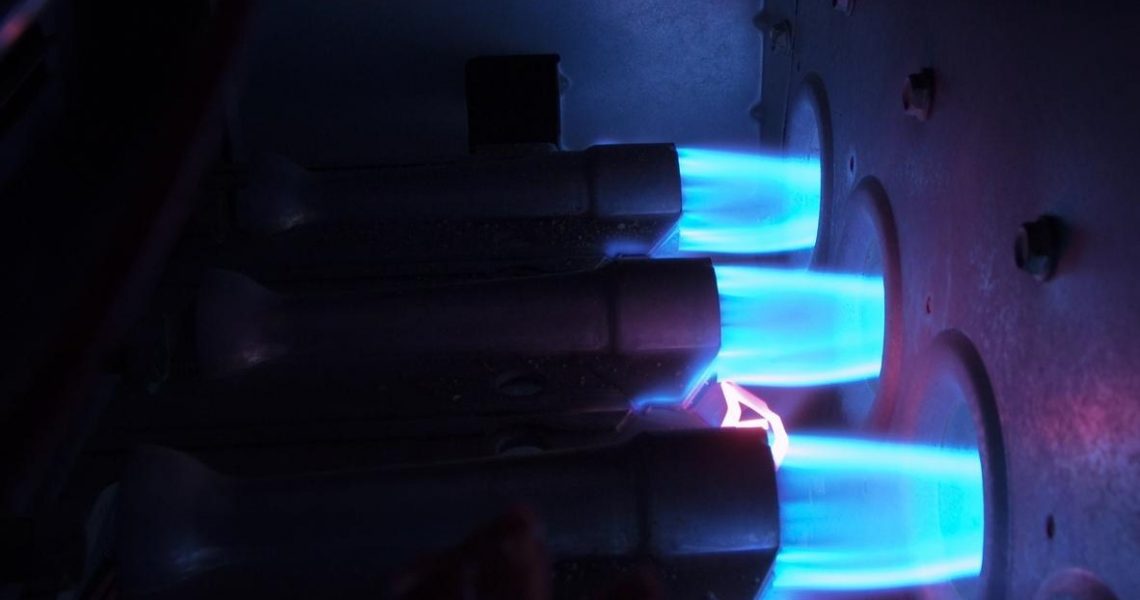
What the Color of Your Furnace Pilot Light Means
Your pilot light provides a small flame that remains lit inside your furnace to light the gas coming out of the main burner. This pilot light will indicate whether your furnace is receiving the right amount, too much, or too little natural gas, or there is something else burning altogether. Here are the typical colors of a furnace pilot light and what they each mean. When in doubt, call a professional!
Blue = Normal
When your pilot receives the correct amount of natural gas, the flame will be a bright blue color. The largest component of natural gas is methane which burns blue. The tip of the flame may appear orange or yellow, but this is normal. It’s best to check your pilot light from time to time and make sure it remains blue.
Flickering Yellow = Too Much Air
If your pilot light is flickering yellow, there is too much air in the gas line. This could be caused by a damaged tube or loose connection which is allowing air into the gas line, or the furnace’s thermocouple could be damaged. The thermocouple is responsible for opening and closing the main gas line and regulating the amount of gas feeding into the pilot. If it is not letting in enough gas, the flame may burn yellow. Because the two likely culprits that are letting in too much air could also be leaking gas, we recommend shutting off the furnace and calling for a repair.
Bright Orange = Too Much Gas
A bright orange pilot light is the most dangerous colored pilot light. When the flame is burning orange, this means too much gas is feeding the flame. If there is a gas leak from a damaged gas line or damaged thermocouple, the pilot light will not be able to fully burn all the gas and the flame will be orange.
Too much gas going into your furnace could pose a serious health risk by allowing gas to leak into your home through the vents. You will first smell the gas near your furnace and eventually throughout your home. The excess burn-off of the gas can also lead to a buildup of carbon monoxide. If you see a bright orange pilot flame, contact an HVAC contractor immediately.
Any other color?
If your pilot light is any other color like red, green, or some other combination, that means something other than methane—such as tar, oil, rust flakes, or dust—is burning. This could mean harmful chemicals are being pumped into your home along with the warm air your furnace is creating. You will need to shut off the furnace from the breaker box, shut the gas line, and call a professional for a repair.
If you think your pilot light is discolored or you have a question, it is always best to heir on the safe side and call an HVAC professional. Grand Home Services is located in Aurora, Colorado, and provides furnace repair, cleaning, and replacement services throughout the Denver Metro Area. Call us or contact us online today!
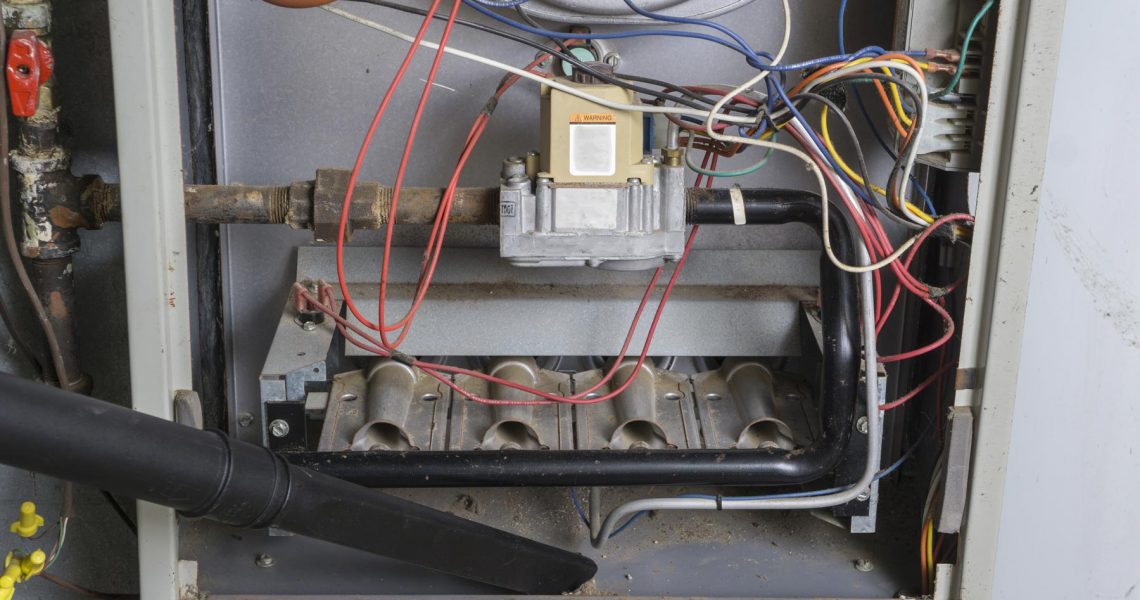
How to Clean a Gas Furnace
Gas furnaces run for months at a time, and they need regular cleaning and maintenance to provide reliable heating for your home. Hiring a professional for a furnace tune-up and cleaning is a great way to take care of your furnace before the winter season. A professional furnace cleaning ensures your furnace runs efficiently, reduces the chance of an emergency repair, and extends the lifespan of the unit.
The average cost of a professional furnace tune-up is between $100 and $200. The final cost will depend on the size of your furnace, fuel type, age, and level of service required. Click here to see what you can expect from a furnace tune-up.
We highly recommend hiring a professional to clean your furnace, but if you are in a pinch or would like to clean your furnace in between professional tune-ups, here’s how. If this is your first time cleaning your furnace, we strongly recommend consulting with a professional!
Note: Before you start taking your furnace apart, always make sure you shut the power off from the breaker box and shut the gas valve.
Replace the Filter
The simplest way you can—and should—prepare your furnace for the winter season is by replacing the filter. A dirty filter will inhibit airflow making your unit work harder to heat your home. A dirty filter will also not clean the air properly, creating dust and debris buildup and increasing your chances of needing a repair.
Clean the Blower Unit
This is one of the more complicated parts to clean in a furnace, and we strongly recommend leaving this to a professional. The blower motor has counterweights and wiring that are easy to disturb and this is one of the more expensive pieces to replace.
To clean the blower unit yourself, remove the control panel if it is in the way, then carefully remove the blower unit. Gently vacuum all dust and debris and use a small stiff brush to remove tough deposits of dirt. It’s important to clean the blower unit slowly and evenly.
Clean the Pilot or Igniter
Using compressed air or a drinking straw, carefully blow any dust off the pilot. If you have a newer furnace, you may have a hot surface igniter. Use condensed air or a straw to remove any dust, but do not touch this part as it is very fragile.
Clean the Flame Sensor
A furnace flame sensor is very important for safe operation of your furnace. The flame sensor detects the presence of a flame when the gas is on, then shuts down the system if no flame is detected.
Located on the burner assembly, it looks like a metallic rod. The flame sensor can be pulled down and out of the bracket gently for cleaning. Take an emery cloth and gently clean the surface of the flame sensor. Then slide the part back into place.
When you get a tune-up and cleaning from a professional, they will also check for any necessary repairs. This will reduce the chances of you needing an emergency furnace repair and ensure your furnace is running at peak performance.
In need of a furnace tune-up and cleaning in the Denver Metro Area? Grand Home Services is located in Aurora, Colorado and provides HVAC services throughout Denver. Call or contact us online today!

4 Furnace Noises and What They Mean
There are a number of furnace noises that are normal, especially when the furnace is just starting up. But, if the noises are excessive, loud, or out of the ordinary, we recommend shutting off the unit and calling a professional. Here are 4 common yet problematic furnace noises and what they typically mean.
1. Loud bang or boom
A loud bang or boom should never be coming from your furnace. This sound may be caused by your furnace having trouble igniting, creating a gas buildup in the combustion chamber which causes a small gas explosion when the furnace finally ignites. A gas burner that is having trouble igniting is an indicator of a clog, gas pressure problem, or a very dirty furnace. This is not something you should try fixing yourself. If you hear this noise, shut off your furnace and contact a licensed technician.
2. High-pitched squealing
If your furnace is making a high-pitched squealing noise, this is usually an indicator of a worn-out blower motor bearing. The bearings wear out from continuous friction from the blower motor during operation. High-pitched squealing can also be caused by insufficient lubrication or a damaged belt. Compared to other furnace repairs, these repairs are pretty minor and inexpensive, but if you are not familiar with the tools or equipment, call a professional.
3. Rattling or rumbling
A loose or broken part inside of your furnace will create a rumble or rattle. As this broken or loose part bangs into other components inside the furnace, it will cause more damage and require additional repairs. Be sure the cause is not as simple as a loose door cover, and if not, shut the system off and call for a furnace repair. Even if you know how to replace the broken part, it is best to get a full unit inspection.
4. Whistling
When your filter is dirty and the airflow running through your furnace is restricted, the air may make a whistling sound as it passes through the narrow openings. This not only creates an annoying sound, but your furnace must work much harder to reach your desired temperature. You’ll be paying a higher-than-necessary utility bill and you are shortening the lifespan of your unit. Always be sure to replace the filter as often as the furnace manufacturer recommends.
Loud or odd noises coming from your furnace are rarely a good thing. It’s always best to heir on the safe side and talk to a professional HVAC specialist. Grand Home Services in Aurora, Colorado provides furnace inspections, repair, cleaning and replacement services throughout the Denver Metro Area. Whether it is an emergency or you need some guidance, do not hesitate to reach out to us! Contact us online or call us today.

My Furnace is Running but Not Heating
Is your furnace running but not creating warm air and heating your home? If so, below is a list of possible culprits that you can check yourself before calling an HVAC technician. Some of these you can fix yourself, others you will need to consult a professional.
Check the Thermostat
It might seem too simple, but if your furnace is not creating heat, always start with checking the thermostat. The batteries might be dead or an adjustment could have been made without you knowing and the fix is as quick as a setting change.
Check the Filter
A dirty filter can wreak havoc on your furnace. Not only will it obstruct airflow, but it will not clean the air before it runs through the unit and inhibit the unit from doing its only job. If your filter is dirty, replace it or clean it and test your furnace.
Inspect the Pilot Light
Gas furnaces rely on a standing pilot light to operate. If the pilot light somehow goes out, the fan may run but the furnace will not warm the air. If you don’t see a blue flame near the bottom of your furnace, you will need to access the reset switch and use a lighter to light the pilot again. If this happens multiple times, you should call an HVAC pro.
Check the Condensate Line
High-efficiency or condensing furnaces produce condensation during combustion. This excess moisture falls onto a drip pan and is drained outside of the home through a condensate line. These condensate lines can become clogged with dirt and grime, especially if you do not keep up with furnace maintenance and filter changes. If the line becomes blocked, the water will end up back in the furnace, which will trip the overflow kill switch and shut down your furnace. Your furnace will either not turn on or simply blow cold air.
Inspect the Burners
The burners on gas furnaces are responsible for delivering and adjusting the flow of gas to keep it lit when running. If your furnace has not been cleaned in a while, dirt and debris can collect on the burners, preventing your furnace from getting enough gas to burn and warm the air. This is a fairly simple repair, but always consult a professional if you are not familiar with the equipment.
In many cases, cold air blowing through your vents is an easy problem to fix that you can do yourself. If you cannot figure out why your furnace is running but not heating the air, it is time to call an HVAC expert to diagnose your furnace.
In need of a furnace diagnosis, cleaning, repair or replacement? Grand Home Services in Aurora provides all these services and more throughout the Denver Metro Area. Call us or contact us online today!
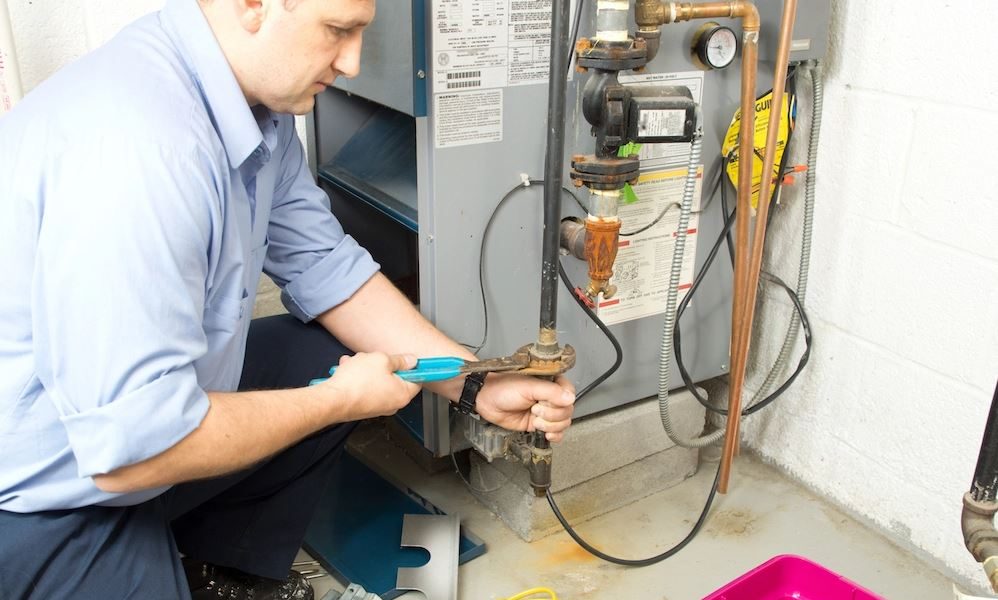
When to Call for an Emergency Furnace Repair
Furnaces are complex systems that need repairs and tune-ups from time to time, but every so often the unit needs immediate attention. When there is an issue with your furnace, it can be stressful trying to figure out if this is something you can fix yourself, something only a professional can handle, or—worst-case scenario—an emergency.
Below are some common situations in which you should call for an emergency furnace repair. When in doubt, always call an HVAC specialist.
Your Furnace Won’t Turn On or Blows Cold Air
Complete furnace breakdowns occur when you cannot get your unit to turn on or blow warm air. If your furnace isn’t working, you should immediately check your circuit breaker and your thermostat. If your unit is receiving power and the thermostat is set higher than the ambient temperature of your home, it’s a situation where you should call for an emergency furnace repair. The longer you wait, the more uncomfortable your home will become, especially here in Aurora, Colorado where we reach below freezing.
Unusual Noises
If your furnace is making unusual noises, especially loud noises, shut the unit off immediately and call for an emergency repair. Unusual noises typically mean a part is loose or broken and needs to be replaced. Letting the furnace run with a broken part could cause much more damage and a much higher repair bill.
Gas or Carbon Monoxide Leak
If you smell gas or your carbon monoxide detectors are going off, this is an emergency that needs to be taken care of immediately. This is not something you should take care of yourself. Call the fire department to come take care of the problem.
Another indication of a carbon monoxide leak is a yellow flame in your furnace (the flame should be blue). A yellow flame does not always mean a carbon monoxide leak, but it is still a reason to shut off the unit and call for an emergency furnace repair.
Electrical Issues
If you suspect an electrical problem, you should not wait to call a professional. Some common signs of a furnace electrical problem are a tripped breaker, a buzzing or humming sound, or a flickering/dim pilot light. Electrical issues are very serious and not something you should attempt to take care of yourself. There is a risk of a serious home electrical issue like a blackout or fire. An HVAC contractor has the experience and the technical knowledge needed to identify and fix the problem.
If you are near Grand Home Services in Aurora, please give us a call. We offer 24/7 furnace emergency repair services throughout Aurora and the Denver Metro Area.
5 Ways to Prepare Your AC for Summer
Your air conditioner will likely work when you turn it on for the first time in months, but that doesn’t mean you should do nothing and leave it be. When your air conditioner sits for months, dust and debris collect and that should be cleared before it runs consistently. This ensures the unit runs at peak efficiency, prevents unnecessary repairs, and extends the lifespan of the unit.
Below are 5 ways to prepare your air conditioner for summer. If you aren’t comfortable taking care of any of these steps or need some extra guidance, always call a professional!
1. Safety First
Before you do anything, make sure to cut the power to the air conditioner. This ensures the unit does not turn on when you’re working on it, keeping you and the unit safe. Most air conditioners have a switch near the outdoor unit, usually in a metal box.
2. Clean or Replace the Filters
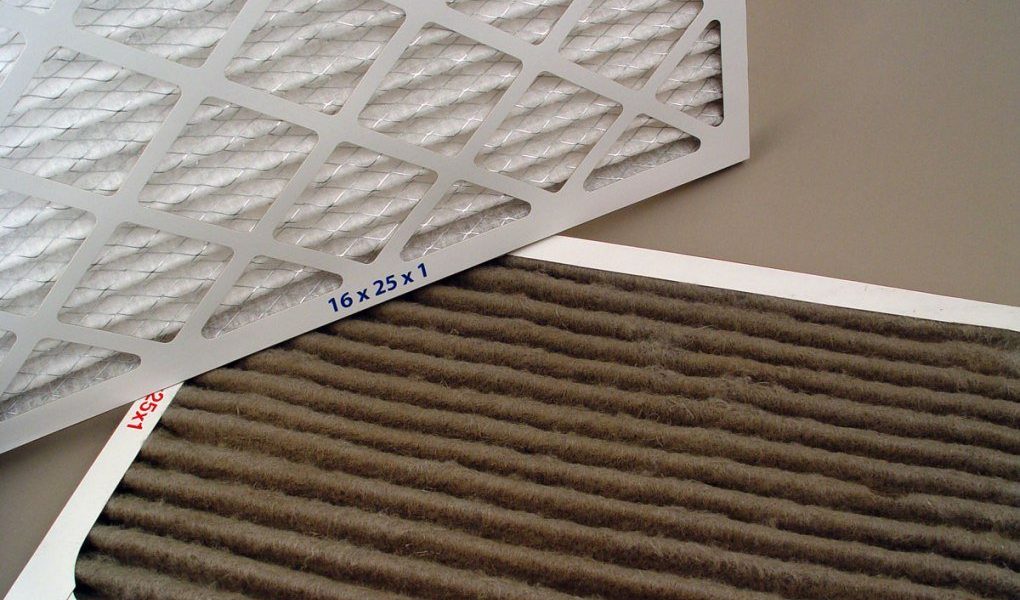
At an absolute minimum, your AC filter needs to be changed before the summer season. Changing your filter before the season will undoubtedly lower your energy bill. These filters are very inexpensive and could be saving you hundreds of dollars per season. In addition, changing your filters on a regular basis prolongs the lifespan of your system, prevents breakdowns, and keeps your AC unit and vents clean.
3. Clean and Clear Debris
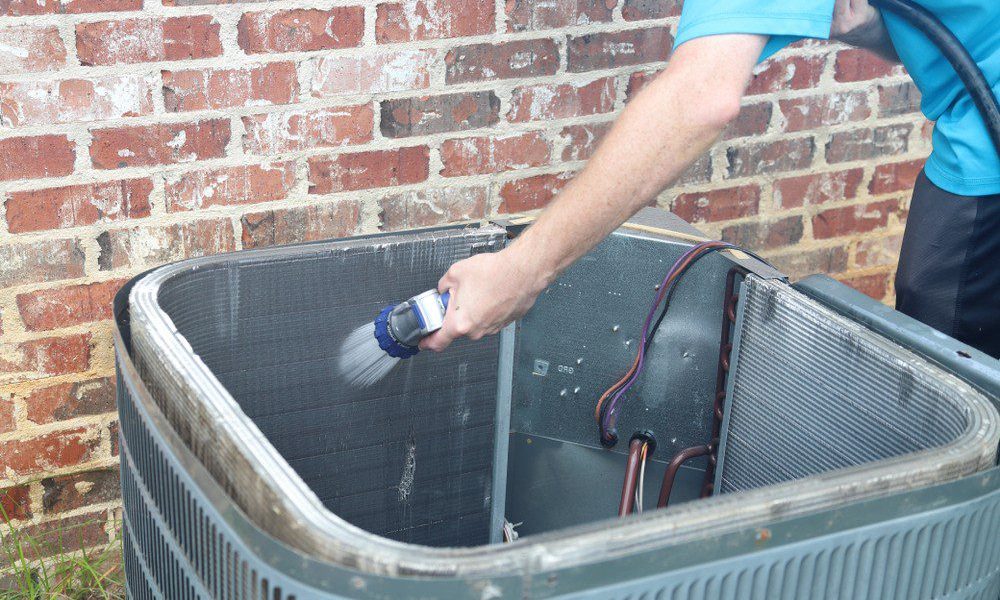
While our winters are quite mild here in Aurora, Colorado, it is inevitable our outdoor units will accumulate leaves, dust and debris throughout Winter. It is very important you clear any debris that may get into the unit. You can spray the sides of the unit and the area around the unit with a hose, wipe the fan blades with a damp rag, and vacuum the coils with a vacuum brush attachment. This simple step will keep your unit running efficiently and help prevent a freeze-up.
4. Program your Thermostat
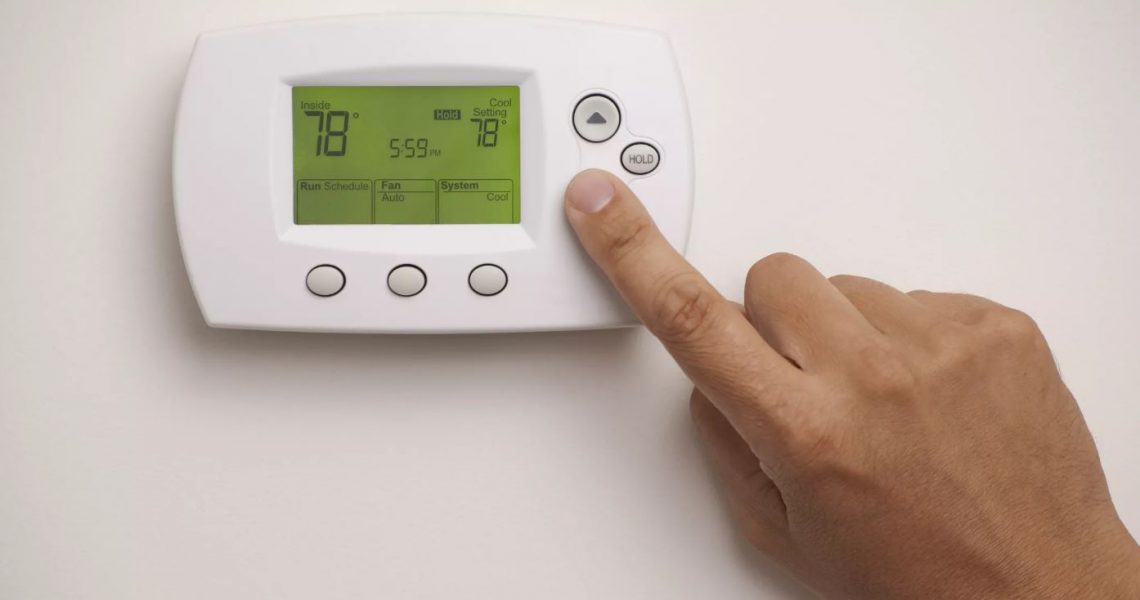
Another great way to get your air conditioner ready for Summer is to program your thermostat beyond simply setting the temperature. It’s best to set the temperature a few degrees higher during the day, helping your unit not work so hard to cool your home when the outdoor temperature is at its highest. Many thermostats now allow you to set an “away” temperature, which should be a few degrees higher than your “day” temperature. This can be used when you are gone for days at a time, or even during a normal weekday when no one is home.
5. Talk to a Pro
While this is not absolutely necessary, it is always a good idea to have a professional inspect, clean and tune-up your AC unit. A professional HVAC technician will ensure the unit runs at peak efficiency throughout the summer season and does not need any repairs. Even better, they can provide tips on maintaining the unit yourself.
Here in Colorado, we experience some very high temperatures and really put our air conditioners to the test. Make sure your AC unit is ready for Summer! Contact Grand Home Services online or give us a call for an AC tune-up, cleaning, or even emergency repair. We are located in Aurora and service the Denver Metro Area.
5 AC Problems Caused by a Dirty Filter
We are sure you’ve heard it before: change your AC unit filter on a regular basis! After all, it’s a quick and inexpensive task, but many don’t quite understand how important a clean filter is for your entire system.
Simply put, a dirty AC filter inhibits your air conditioner from doing its one job. If left long enough, a dirty filter will wreak havoc on your AC unit and cause system breakdowns and expensive repairs that could have been avoided. Below we walk through 5 very common AC problems caused by a dirty filter.
Freeze-Up
When your air conditioner’s filter fills with dust and debris, the air flowing through your unit is no longer as clean as it should be. This results in a buildup of dust on the evaporator coil which leads to the coils freezing up. Eventually the coils defrost, water leaks from the unit, and the process starts over.
If your unit experiences a freeze-up, we recommend getting an AC unit inspection and cleaning. Though the initial culprit was a dirty filter, your unit must be cleaned to fix this issue.
Short-Cycling
(new article: why does my AC keep turning on and off)
When your filter is dirty and the airflow through the unit is inhibited, your air conditioning system must work harder than normal to reach your set temperature. This overworking can cause the unit to freeze-up or overheat, both of which can force your unit to shut off prematurely and short-cycle.
Higher Utility Bill
A dirty filter restricts the airflow through the unit causing your unit to overwork to reach your desired temperature. This will cause your AC unit to run more often and longer than necessary, raising your monthly utility bill.
Shorter Lifespan
When a manufacturer provides the typical lifespan of their AC unit, this comes with the expectation that the unit is properly maintained. An overworked, poorly maintained unit is bound to have a shorter lifespan. If you neglect to change your AC filter, your unit must work harder than necessary, increasing wear and tear. Even worse, dust and debris can cause a system failure, forcing you to buy a new AC unit.
Failed Compressor
One of the most expensive repairs your AC unit might require is a compressor replacement. When your unit is dirty, your compressor is taking the brunt of the extra workload. This will eventually lead to the compressor overheating and failing, requiring a replacement. Due to the cost, many HVAC contractors recommend replacing the entire AC unit. Many times, this expensive repair can be avoided with a cheap filter replacement!
Not sure what filter you need or how often you should be replacing your filter? Check out our articles below. Always refer to your AC unit’s manufacturer recommendations and speak with an HVAC professional if you have questions.
https://grandhomeservicesllc.com/the-4-types-of-hvac-filters/
https://grandhomeservicesllc.com/how-often-should-i-replace-my-air-filters/
In need of an AC unit inspection, cleaning, repair, replacement, or just have a question? Grand Home Services in Aurora, Colorado provides air conditioning services throughout the Denver Metro Area. Call us or contact us online today!
Why Does My AC Keep Turning On and Off?
If your air conditioner is switching on and off more than usual, it is important you get it fixed as soon as possible. An AC unit repeatedly switching on and off will raise your monthly bill, cause extra wear and tear on the unit itself, shorten the lifespan of the unit and create the need for more repairs.
Fortunately, the cause of a short-cycling AC unit is often a quick fix. Below are the most common reasons your air conditioner constantly turns on and off, a few of which you can check and even fix yourself. When in doubt, call a professional!
1. Thermostat Problems
One of the most common culprits to a short-cycling AC unit is a faulty thermostat. Your thermostat is in charge of telling your air conditioner when to run, so if your AC unit is turning on and off more than usual, always check the thermostat first. The issue could be electrical, meaning the thermostat is wired improperly or needs new batteries. It could also be due to poor thermostat placement. Your thermostat should be placed somewhere where it will get the best possible temperature reading. If it is near a window, warm room, or air vent, the thermostat is receiving an inaccurate reading.
2. Dirty Filter
Another common culprit with a simple fix is a dirty filter. A dirty filter restricts airflow which makes the AC unit work harder to reach your desired temperature. This can cause the unit to freeze-up or overheat and shut off prematurely. Make sure you change your filter as often as the AC unit manufacturer recommends. A dirty filter causes many more problems than this one!
3. Frozen Coils
If your evaporator coils are caked in dirt and debris or you have a refrigerant leak, your coils will freeze-up and cause the AC unit to shut off. Oftentimes, the AC unit will sporadically turn on and off as it attempts to regulate the pressure and reach your desired temperature. If you suspect a refrigerant leak, shut off the unit and call for a repair immediately.
4. An Oversized AC Unit
Many are surprised to learn that a larger-than-necessary air conditioner is not what you want. If your unit is too large for your square footage and climate, it will unevenly cool your home and turn on and off too frequently. A short-cycling unit uses more energy, will require more repairs, and will have a shorter lifespan, all of which cost you more money.
If you aren’t sure why your AC is repeatedly turning on and off, always call a professional. This short-cycling is causing unnecessary wear and tear on the unit, and it could be the result of something more serious like an electrical problem.
In need of an AC repair? Grand Home Services in Aurora provides air conditioner repair, inspection, and replacement services throughout the Denver Metro Area. Call us or contact us online today!