
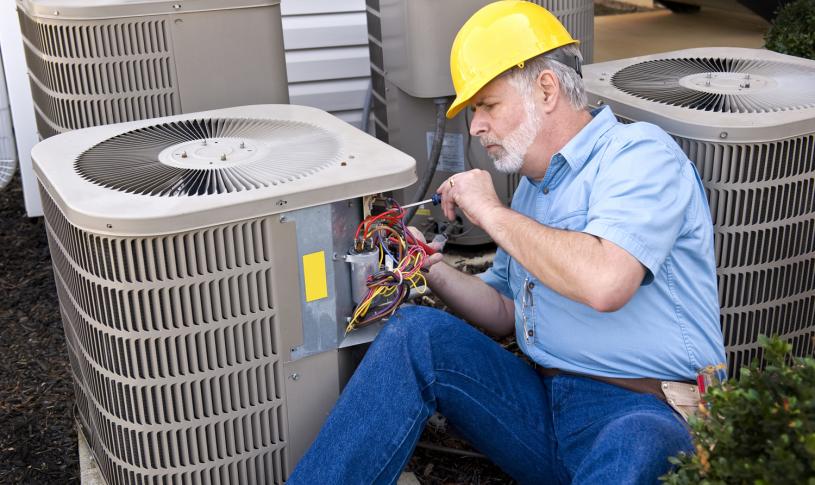
5 Common AC Noises and What They Mean
Nothing is worse than hearing a terrible noise from your air conditioner and having no idea what it means. Will it go away on its own? Should you turn off the unit and call for an emergency service? Is it something you can fix yourself?
Here are the most common air conditioner noises, what they mean, and what you should do next. When in doubt, always call an HVAC contractor. A loud and unfamiliar noise coming from your AC unit is never a good thing.
1. Screaming/Hissing
If you hear a loud, high-pitched hiss or scream coming from your air conditioner, you should shut off the unit immediately. A common culprit is a refrigerant leak or problem with the compressor. This should not be ignored as refrigerant can me harmful to your health and seriously damage your unit. If the leak is large enough, you may hear a gurgling noise as well.
2. Squealing
Just like cars, your air conditioner can make a squealing noise when the fan belt is damaged or misaligned. This does not inhibit the unit from cooling your home so you can keep your unit running if you hear this noise, but we recommend calling for a repair as soon as possible. This problem could lead to a domino effect of other repairs, so don’t wait!
3. Buzzing
A buzzing or humming noise could mean an issue with the compressor, electrical wiring, refrigerant line, or a loose part. Because the problem is not obvious, it is always best to call an HVAC contractor to take a look. Especially if it sounds less like a rattle and more like a buzz, it could be a very serious problem.
4. Clicking
It is normal to hear clicking when the AC unit starts, but if the clicking continues after startup, start by cleaning the outdoor AC compressor. There might be debris making this clicking or rattling noise. A clicking noise can also indicate a bent fan blade or an electrical issue, so if you do not feel comfortable fixing it yourself, call an HVAC technician.
5. Banging
A banging noise is usually a sure sign of a loose or broken part, oftentimes being the compressor, fan, connecting rod, piston pin or crankshaft. Sometimes the part simply needs to be tightened, other times the part will need to be replaced. We recommend calling an HVAC contractor to inspect the unit as a loose part banging around could be causing more damage.
If you are near us in Aurora or live anywhere in the Denver Metro Area, Grand Home Services would be happy to answer your questions or help you with your AC unit. Call 720-365-1187 or contact us online today!
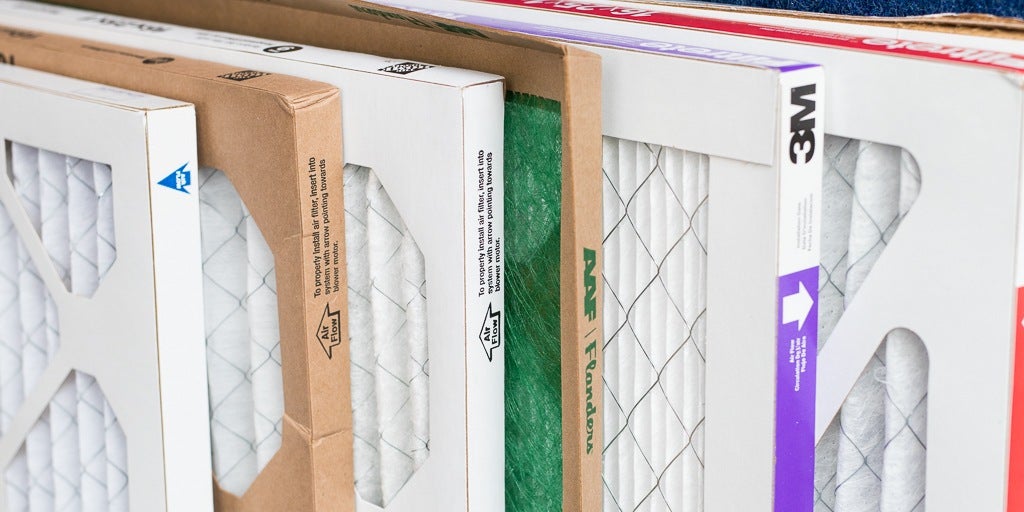
The 4 Types of HVAC Filters
HVAC filters keep your HVAC units running efficiently and even extend their life simply by removing air particles and impurities. There is no question how important it is to change your filters on a regular basis, but what type of filter do you choose?
Below we walk through the four types of air filters you can choose from and why you might not want to buy the cheapest option available.
Throughout this article, we talk about a Minimum Efficiency Reporting Value (MERV) rating. This rating indicates how effective air filters are at trapping airborne particles. The higher the rating, the fewer particles can pass through the filter.
Flat-Paneled Fiberglass Filters
This is a very common low-cost air filter. These are disposable filters and have a low MERV rating—usually between 1 and 4—so you will have to change your filter more often and get your unit professionally cleaned from time to time as it is not made to filter out the smaller air particles. If you are trying to improve your indoor air quality, we do not recommend a flat-paneled fiberglass filter.

Reusable Air Filters
Reusable air filters are very similar to flat-paneled fiberglass filters with a MERV rating between 1 and 4. These filters are more expensive upfront but can be washed and reused. If you do not properly dry these filters, they can attract mold and mildew, so always make sure they are completely dry before reinstallation!
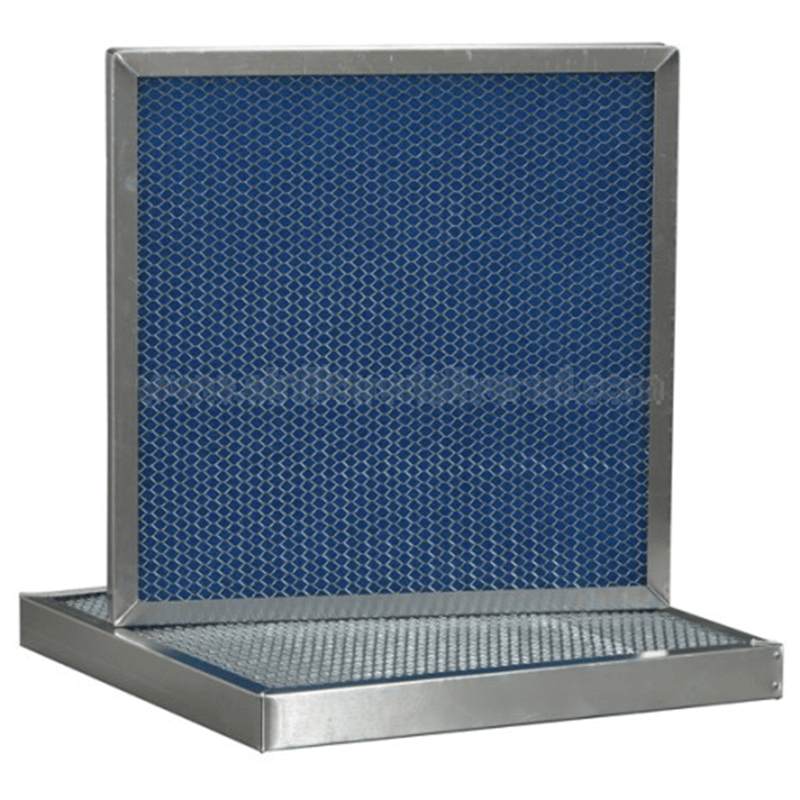
Pleated Media Filter
Pleated media filters usually have a MERV rating between 5 and 13 which meets the recommended MERV rating of many HVAC manufacturers. This rating means the filter can trap smaller particles, and because the surface is pleated, it has a larger surface area and will last longer than the flat-paneled fiberglass filter. Most HVAC manufacturers and contractors recommend pleated media filters as they tend to check the most boxes and are a fairly affordable option.
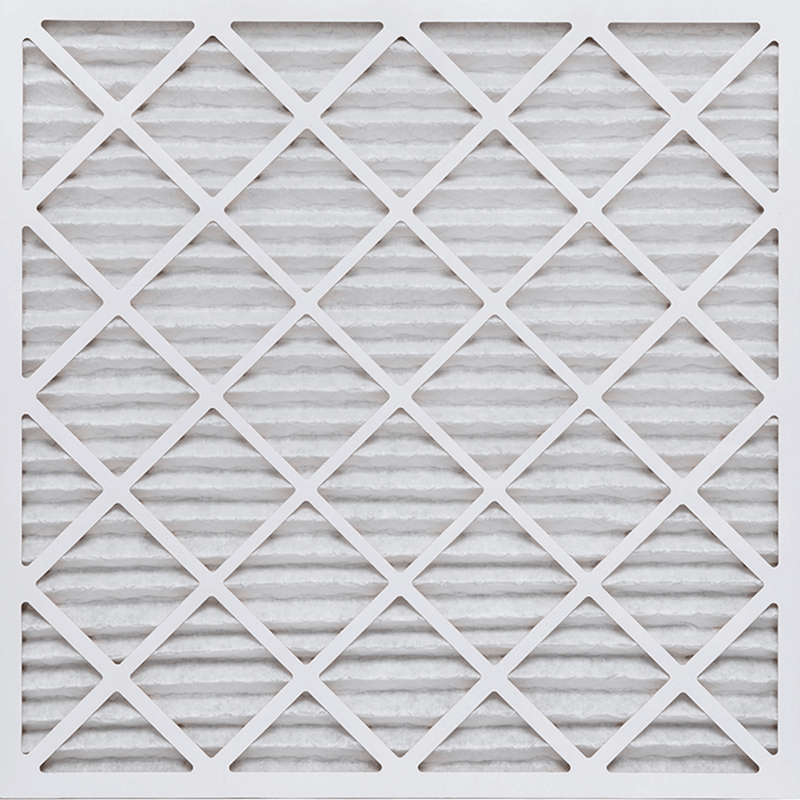
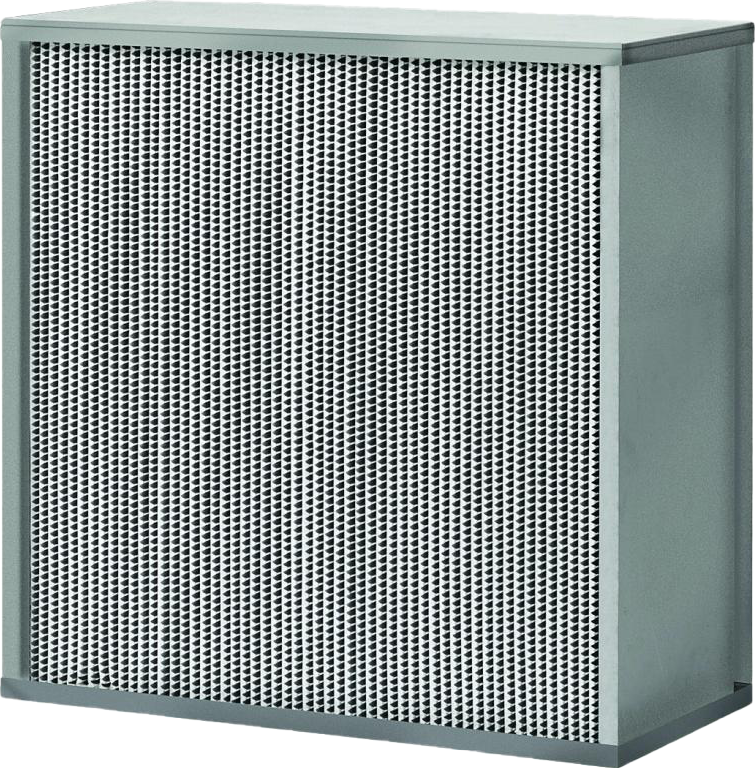
HEPA Filter
High Efficiency Particular Air (HEPA) filters have the highest MERV rating between 17 and 20. These filters can filter particles as small as 0.3 microns, which means it can filter out bacteria and even tobacco smoke. Though these filters have a high MERV rating, we recommend speaking with an HVAC contractor before buying one and installing it yourself. Installation is not always easy with these filters, and some units cannot work with a filter with this high of a MERV rating. Sticking with a MERV rating recommended by your HVAC manufacturer is best.
Always check what your HVAC manufacturer recommends for a filter MERV rating. Chances are this rating is between 5 and 12, so your best bet is a pleated media filter. If you have a much larger rating or a commercial building, we advise getting a professional opinion from an HVAC contractor.
If you are near us in Aurora or live anywhere in the Denver Metro Area, Grand Home Services would be happy to answer your questions or help you with an HVAC unit. Call 720-365-1187 or contact us online today!
5 Signs It’s Time to Replace Your Water Heater
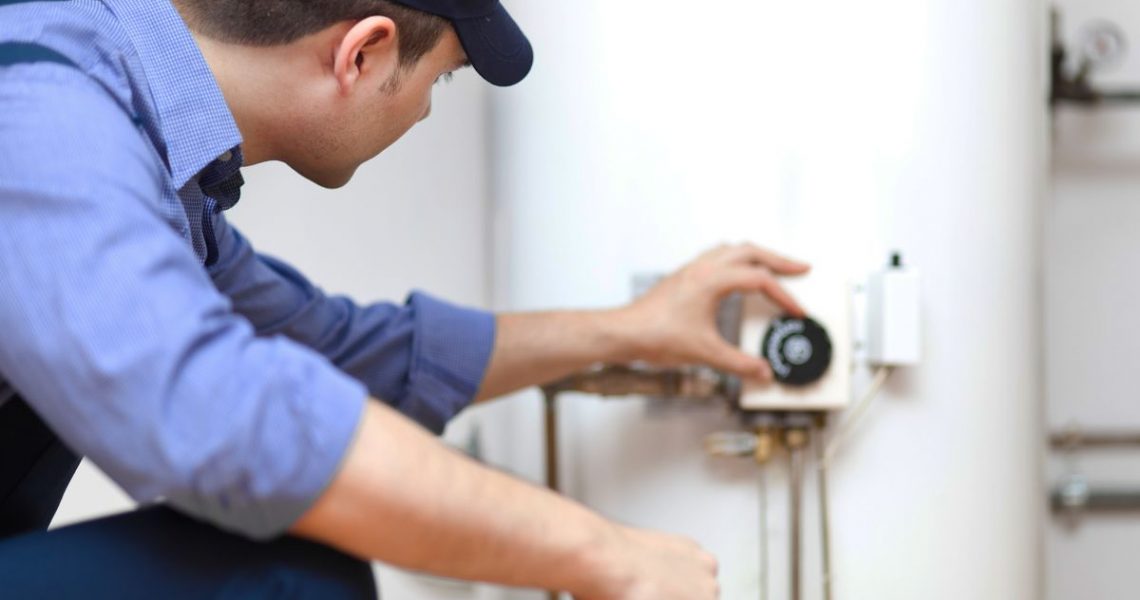
Unfortunately, water heaters were not made to last forever, and they need to be replaced more often than we would like. From rust in your water to a higher monthly electric bill, a water heater that needs to be replaced is going to do nothing but cause problems.
Here are 5 common signs it is time to replace your water heater. If your water heater is showing one or more of these signs, call an HVAC contractor for an inspection as soon as possible.
1. The Age of the Water Heater
The average lifespan of a tank water heater is 8 to 12 years. Tankless water heaters (also called “on demand” units or an instant hot water heater) have an average lifespan of 20 years. With little to no maintenance, it is unlikely these water heaters will meet their life expectancies. If your water heater is nearing this lifespan and you notice any of the other signs below, there is a good chance it needs to be replaced.
2. Less Hot Water Than Usual
If you notice your hot water is not lasting as long–for example, in the morning when showers are happening back-to-back–this is a sign your hot water heater may need to be replaced. This could also be a sign of sediment build-up in the tank which is taking the place of hot water. An HVAC contractor can take care of this by flushing your water heater.
3. Rising Electrical Bill
If you have a gas furnace, your water heater typically makes up most of the electrical bill during the winter and comes in second to central air conditioning during the summer. If you notice your electric bill is rising, always have an HVAC contractor inspect the possible culprits. If your water heater needs to be replaced, it will run inefficiently and make you pay for it.
4. Rusty Hot Water
If the water coming from your hot water heater is rusty but the water coming from the cold side is clean and crisp, your water heater is likely rusting and will need to be replaced. This corrosion will eat through your hot water tank or pipes, leading to a water leak. Rust in the water could also mean rusty pipes, which can be determined by draining several buckets of hot water from the tank. If the water continues to come out rusty by the third bucket, it is the tank, not the pipes.
5. Continuous Repairs
Just like any appliance, more and more repairs mean your water heater may need to be replaced. If your water heater needs repairing more than twice every year, there is a good chance this will continue until you get it replaced.
If you see one of more of these signs from your water heater, we strongly recommend calling for a water heater inspection. Grand Home Services in Aurora, Colorado provides water heater replacement and repair services throughout the Denver Metro Area. Give us a call or contact us online today!

Gas Furnace Replacement and Installation Cost in Denver
According to the U.S. Energy Information Administration, 75% of Colorado homes are heated with natural gas, making Colorado the fourth highest state to rely on gas heating. If you are in the Denver area and need a new gas furnace, here is what you can expect to pay, from the cost of the furnace to the cost of installation.
Average Cost of a New Furnace in Denver
In Denver, the average furnace replacement cost–including the cost of the unit and installation–is around $4,000. The price of a new furnace varies by city and state, but the biggest factors that affect the cost are the type, brand, output, and efficiency (see below) of the furnace. For a high-efficiency gas furnace in a larger home, a new gas furnace can run you $10,000, whereas an average-efficiency gas furnace in a small home can cost less than $3,000 (always be weary of unusually low prices).
Most HVAC contractors charge similar rates for furnace installation services, but it is always a good idea to get several quotes before you get a new unit. Many contractors will give you a free quote over the phone if you supply them with your home’s square footage, existing furnace infrastructure and efficiency wants/needs.
Gas Furnace Output: What Do You Need?
You need a furnace with the appropriate heat output–measured in British Thermal Units (BTUs)–for your square footage and climate. The more BTUs, the more heat your furnace can generate. Larger multi-level homes in cold climates need more BTUs than smaller ranch-style homes located in warm climates.
You can roughly calculate the load for your furnace based on your home’s total square footage of finished, heated space and the region or climate your house is located in. For Denver, you will need 45 to 50 BTUs per square foot. That means a 2,000 square foot home in Denver will need a furnace capable of 90,000 BTUs.
Energy Efficient Furnaces: How Much More Do They Cost?
The second metric to pay attention to is the furnace’s annual fuel utilization efficiency (AFUE). A standard efficiency furnace has an AFUE rating of 80%, meaning 20% of the energy produced by natural gas is expelled as exhaust. A highly efficient unit has an AFUE rating of 90% or more.
A high efficiency furnace costs 50% to 100% more than the standard model. Depending on the location of your furnace, insulation of your home and your budget, an HVAC professional will recommend a unit with the appropriate AFUE.
New Gas Furnace in Denver
If you need a new gas furnace in the Denver area, call Grand Home Services today for a quote. We are located in Aurora and provide furnace replacement, installation, and repair services throughout the Denver Metro Area. Call us or contact us online today!
Furnace vs Heat Pump in Colorado
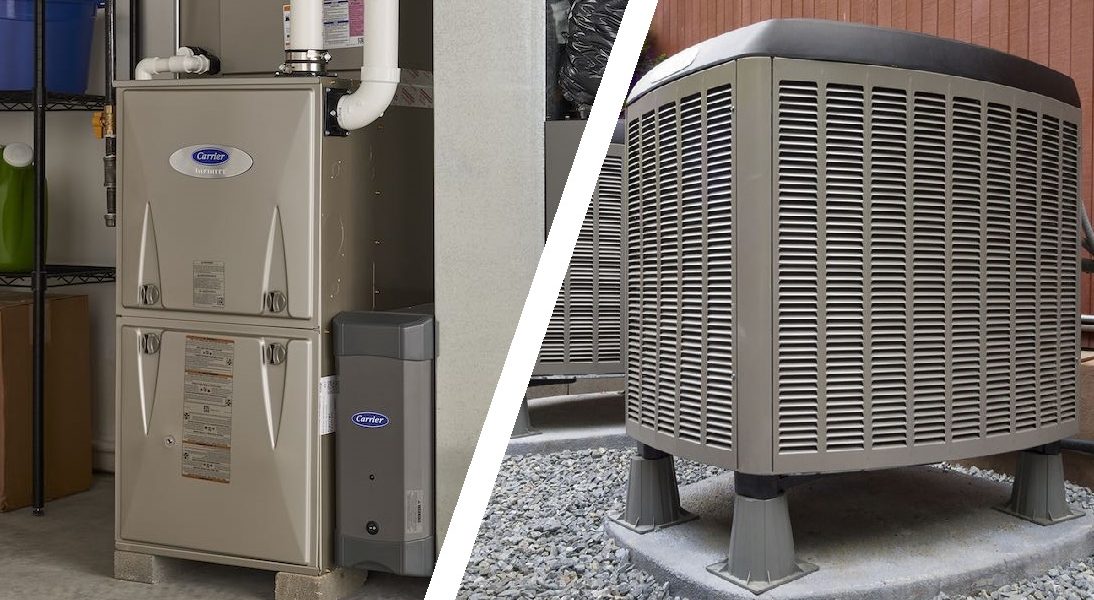
Until recently, heat pumps were not a viable option for homes in colder climates, even places like Denver with mild winters. Now heat pumps can be used anywhere in the country, so the question is, do you choose a furnace or a heat pump?
Unfortunately, there is not a clear answer as to which system is better. Every home is different and the pros and cons of each system could sway your decision. Below are the most important factors to consider when choosing between a furnace and a heat pump for your Colorado home. We highly recommend speaking to an HVAC professional like Grand Home Services for a personal recommendation!
Gas vs. Electric
If your home does not have a gas line, then you cannot get a furnace. Furnaces run on natural gas and heat pumps run on electricity. It is very uncommon to have a home in Colorado without a gas line, so chances are you can still choose between both systems. If you have both gas and electricity, you have the opportunity to have a dual fuel system.
Dual Fuel System
If your home has access to both electricity and natural gas, you might want to consider a dual fuel system. Heat pumps are most efficient above freezing and can both heat and cool your home, and gas furnaces are much more efficient below freezing. Keeping both units running in their ideal temperature range allows you to keep the lowest possible operation cost during the winter.
A dual fuel system is best for those who do not have an air conditioner and already have a functioning gas furnace. If you do not have a heat pump or a furnace, a dual fuel system is not recommended.
No Air Conditioner
If you do not have an air conditioner, a heat pump will kill two birds with one stone as it can both heat and cool your home. If you do have an air conditioner, it is likely more cost effective for you to get a furnace.
Cost
The initial cost of a heat pump is typically more than a furnace, but keep in mind the unit runs year-round for heating and cooling. Because the unit runs year-round, it tends to have a shorter lifespan at about 10-15 years. Furnaces average a lifespan of 15-20 years. With regular maintenance and cleaning, it is not hard to have a heat pump for 15 years.
The operating cost for a heat pump tends to be more expensive when not coupled with a furnace as a dual fuel system. It’s not uncommon to have below freezing nights here in Colorado, and between the low cost of natural gas and efficiency of furnaces running below freezing, furnaces are typically the best choice for single unit heating.
As mentioned above, if you do not have an air conditioner and you have a functioning furnace, getting a heat pump would be the most cost-efficient in terms of operating costs. The heat pump would run on electricity in the summer just like an air conditioner and the furnace would run below freezing temperatures.
Everyone’s home, wants and needs are different. Please speak to one or two HVAC professionals to get a recommendation perfect for your situation. If you are near us in Aurora or anywhere in the Denver Metro Area, Grand Home Services is here to help. We repair and install furnaces, heat pumps, and dual fuel systems. Contact us online or give us a call today to get started!
Pros and Cons of a Whole Home Humidifier in Denver
In dry cities like Denver, the humidity is so low that it often has negative effects on our health, like a stuffy nose, itchy skin, scratchy throat and an increased risk of infection. While portable humidifiers help take the edge off, they will not raise the humidity of your entire home and they need to be filled regularly.
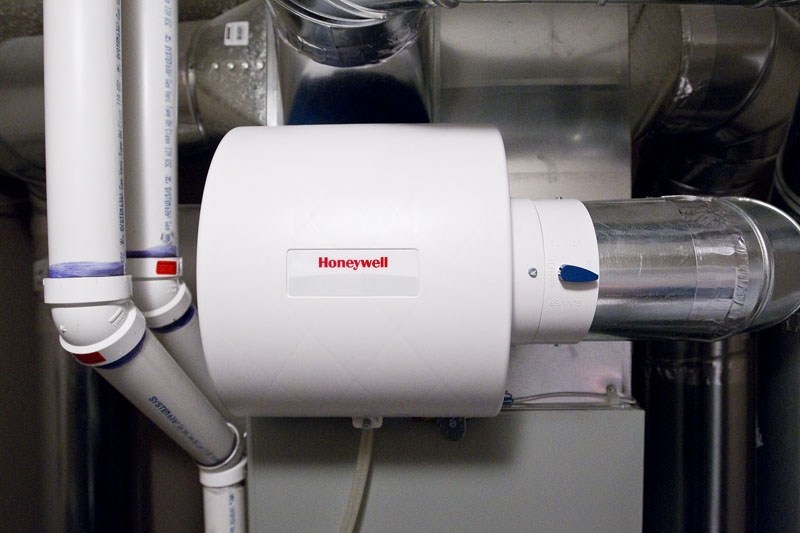
One of the best ways to increase the humidity of your home is with a whole home humidifier. These humidifiers are free-standing and often connect to your duct system, allowing humidity to be carried throughout the home.
Here are the biggest pros and cons to having a whole home humidifier instead of a small portable humidifier.
Pro #1: Humidity Control
With small humidifiers there is no telling how much it is raising the humidity in your room or household. With a whole home humidifier, the humidity is controlled with a humidistat and can be set to the desired level.
Pro #2: Minimal Maintenance
Whole home humidifiers have their own water supply so you do not have to worry about filling up a tank every time it runs out. With ducted humidifiers, all you have to do is change the evaporator panel (filter) once a year and lightly clean around the filter. This level of maintenance is unachievable with a small mobile humidifier.
Pro #3: Better Health
The air quality of your home has a huge impact on your health. With low humidity, your body is at a higher risk of allergies, respiratory conditions, and even infections. Here in Colorado, the humidity often drops below 20%, and the ideal humidity for your health is between 30% and 40%.
Con #1: Expense
There is no question that a small mobile humidifier is much less expensive than a whole home humidifier. While a decent quality humidifier will run between $30 and $100, a whole home humidifier will run between $400 and $1200 and that is not including installation. Thankfully, this is a one-time cost and as mentioned above, the unit requires almost no maintenance.
Note: We strongly recommend speaking to a professional if you are interested in installing a new unit as it requires HVAC, plumbing and electrical expertise.
Con #2: Mold and Mildew
Just like a small mobile humidifier, mold and mildew are always a risk with whole home humidifiers. With regular maintenance and cleaning this should not be an issue but could quickly become a health hazard if ignored. All it takes is a small amount of cleaning and a filter change once or twice a year to avoid this problem.
Are whole home humidifiers really worth it? In some parts of the country with higher humidity levels, there really is no need. In places like Colorado with extremely dry winters, low humidity is detrimental to your health and a humidifier is highly recommended. From the low maintenance to automatic humidity control, whole home humidifiers are far better than small mobile humidifiers.
If you are near us in Aurora, Colorado or anywhere in the Denver Metro Area, Grand Home Services would be happy to help you with a whole home humidifier. Contact us online or give us a call today to get started!